








'/%3E%3C/svg%3E)


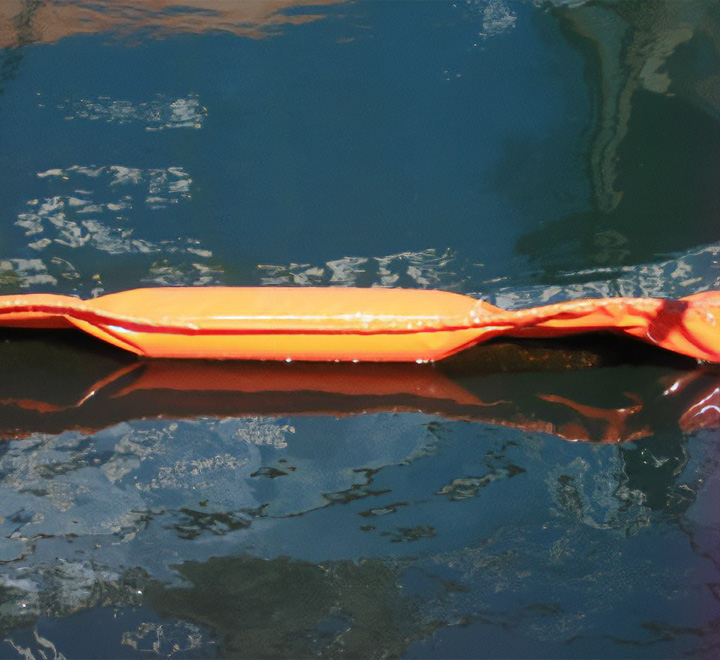
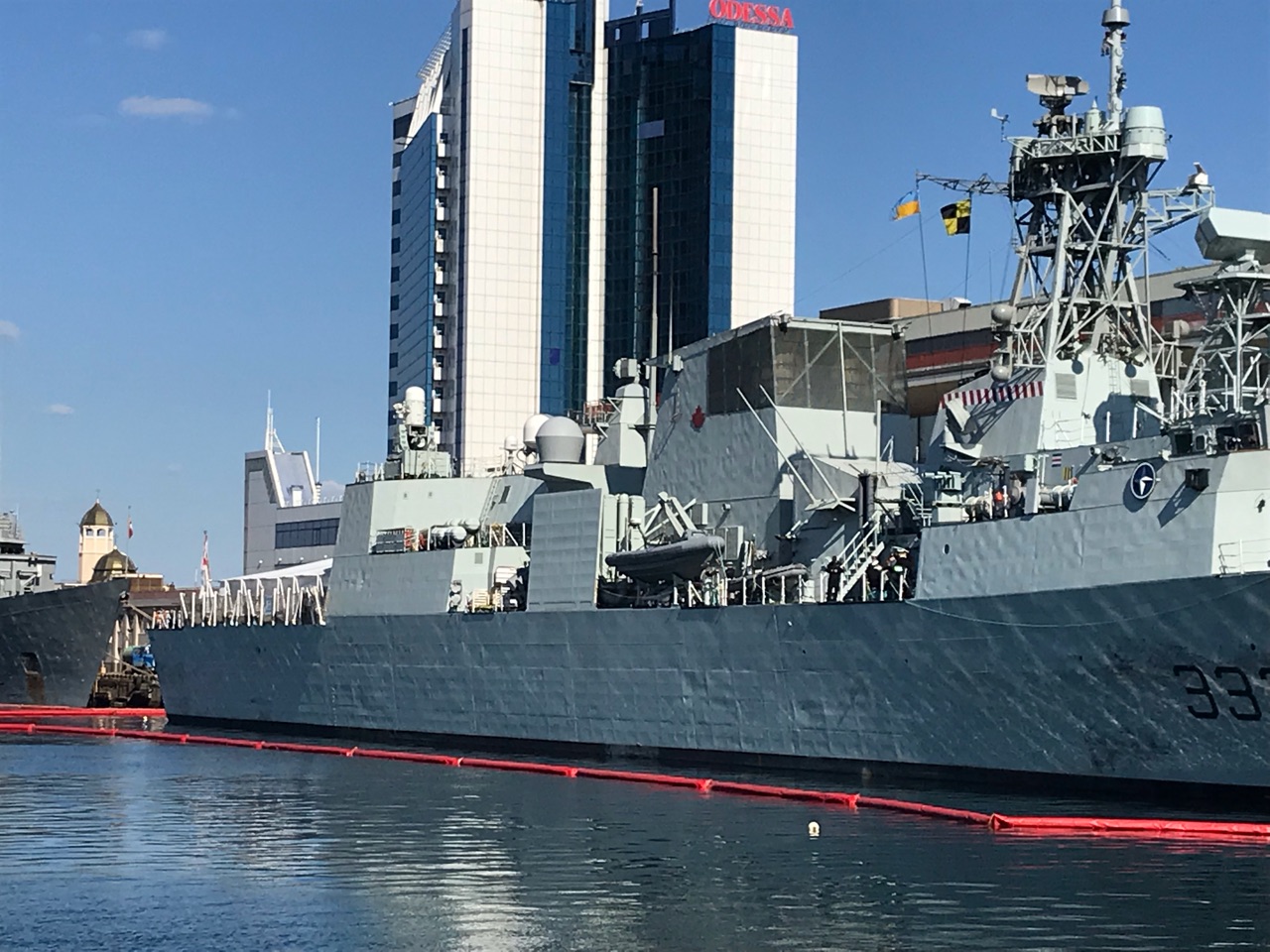

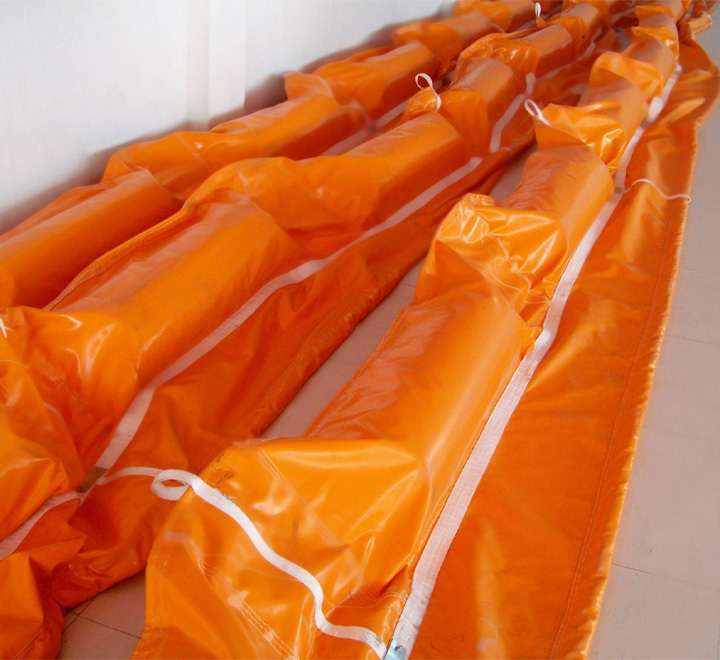
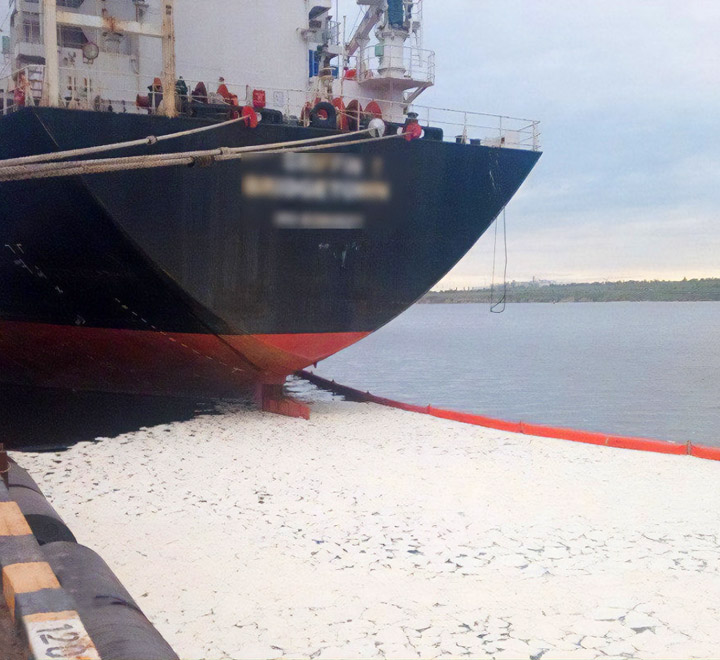



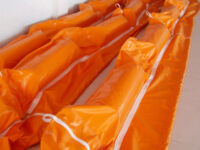

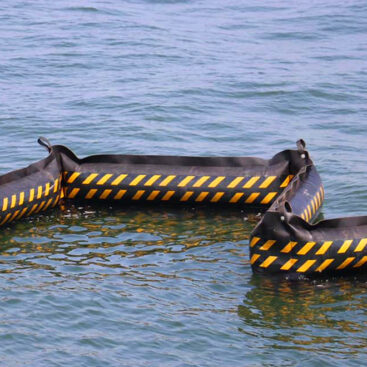
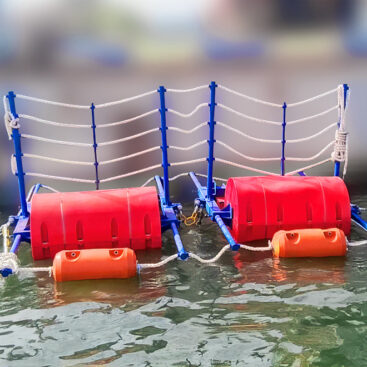
ECONAD oil containment booms are floating barrier systems designed for the rapid localisation, containment, and control of oil spills and other floating pollutants on the water surface.
They are used as part of oil spill response operations to prevent the spread of oil, fuel, petroleum products, and contaminated floating materials. By creating a physical barrier on the water, containment booms help keep pollution within a controlled area, making recovery operations faster, safer, and more effective.
ECONAD booms can be used in ports, harbours, rivers, lakes, industrial water areas, coastal zones, and offshore locations. They are suitable for both emergency response and preventive protection of facilities where oil products are handled, stored, loaded, or transported.
The booms can be used together with oil skimmers, vacuum pumps, absorbents, storage tanks, and other oil spill response equipment to create a complete pollution control and recovery system.
Main Purpose
ECONAD oil containment booms are designed for:
- limiting the spread of oil and petroleum products on the water surface;
- localising oil spills during emergency response operations;
- creating a controlled area for the recovery of oil using skimmers, vacuum systems, sorbents, or other collection equipment;
- protecting ports, harbours, terminals, shipyards, and industrial facilities;
- surrounding vessels, oil tankers, or floating equipment during loading, unloading, bunkering, or repair operations;
- protecting shorelines, beaches, wetlands, rivers, lakes, nature reserves, and other environmentally sensitive areas;
- isolating contaminated zones during cleanup and remediation works;
- directing floating pollution towards a designated collection point;
- supporting preventive environmental protection measures at high-risk facilities.
Areas of Application
ECONAD oil containment booms can be used in a wide range of environments and industries, including:
- Ports and Harbours: For rapid response to oil spills in port waters, harbour basins, shipyards, berths, piers, and terminals.
- Oil and Gas Facilities: For containment of oil pollution near production sites, storage terminals, refineries, pipelines, offshore platforms, and fuel handling areas.
- Vessel and Tanker Operations: For preventive protection during loading, unloading, bunkering, maintenance, and repair operations involving oil, fuel, or petroleum products.
- Inland Waterways: For use on rivers, canals, lakes, reservoirs, ponds, and other inland water bodies affected by oil or floating pollution.
- Coastal and Environmental Protection: For the protection of shorelines, beaches, wetlands, protected natural areas, fish farms, marinas, and recreational water zones.
- Emergency Response: For use by oil spill response teams, environmental services, port authorities, industrial emergency teams, and civil protection units.
Main Tasks of ECONAD Booms
ECONAD booms perform several key functions in oil spill response and environmental protection:
- Containment of pollution — the boom creates a floating physical barrier that prevents oil and other pollutants from spreading further across the water surface.
- Spill localisation — the boom helps keep the polluted area within a controlled perimeter, making recovery operations more efficient.
- Oil recovery support — contained oil can be collected more effectively using skimmers, pumps, sorbents, or vacuum systems.
- Pollution transfer and direction — booms can be used to guide oil or floating pollutants towards a designated collection point.
- Protection of sensitive areas — booms help prevent oil from reaching shorelines, beaches, marinas, wetlands, water intakes, and nature reserves.
- Preventive safety — booms can be deployed around tankers, vessels, terminals, or industrial sites to reduce environmental risks during operations.
Advantages of ECONAD Oil Containment Booms
- Reliable construction Manufactured from durable materials resistant to UV radiation, petroleum products, chemicals, seawater, and variable weather conditions.
- Fast deployment Designed for quick installation during emergency response operations or preventive deployment.
- Versatile application Suitable for calm waters, port areas, rivers, lakes, harbours, coastal zones, and selected offshore applications depending on the boom type.
- Effective pollution control Helps stop the spread of oil and creates the conditions required for efficient collection and recovery.
- Compatible with other equipment Can be used together with skimmers, sorbents, pumps, temporary tanks, and other oil spill response tools.
- Easy transport and storage Available in configurations suitable for storage, transportation, and fast operational deployment.
- Custom configuration Boom type, section length, freeboard, skirt depth, connectors, ballast, and tension elements can be selected according to the operating conditions and project requirements.

| Product type | 500 | 750 | 900 | 1000 | 1200 |
| Freeboard height (mm) | from 200 to 380 | ||||
| Skirt depth (mm) | from 300 to 605 | ||||
| Section length (m) | 10/15/20 | 10/15/20 | 10/15/20 | 10/15/20 | 10/15/20 |
| Application limits depending on wind speed, current, wave conditions, and operating environment | |||||
| Different tension elements and ballast systems depending on the boom type. | |||||
The final specification should be selected according to the site conditions, including water depth, current speed, wave height, wind exposure, deployment duration, and type of pollution to be contained.
ECONAD offers different types of oil containment booms depending on the operating environment, required durability, deployment method, and spill response scenario.
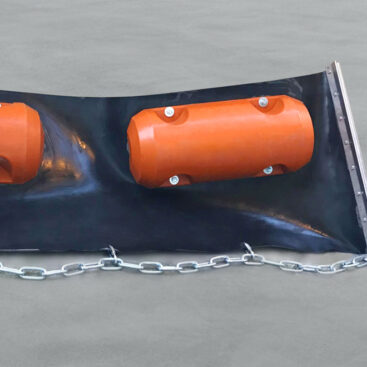
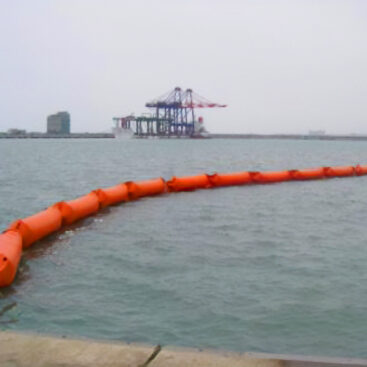
- Permanent Buoyancy Booms: Permanent buoyancy booms are suitable for long-term deployment in ports, harbours, terminals, industrial water areas, rivers, lakes, and other locations with moderate operating conditions. They provide stable flotation and are ready for use without inflation.
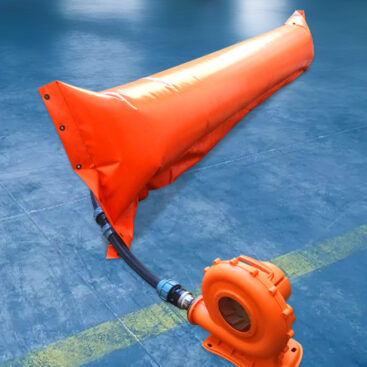
- Inflatable Booms: Inflatable booms are compact during storage and transportation and can be rapidly deployed during emergency response operations. They are suitable when mobility, fast reaction, and reduced storage volume are important.
- Heavy-Duty Booms: Heavy-duty booms are designed for more demanding conditions, including higher loads, increased wave activity, stronger currents, or long-term use in exposed locations.
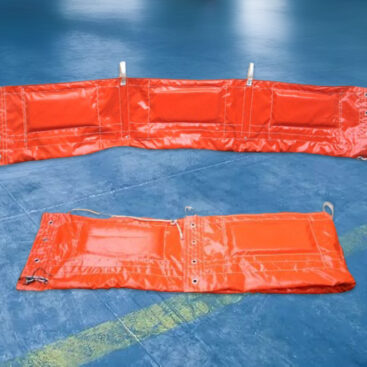
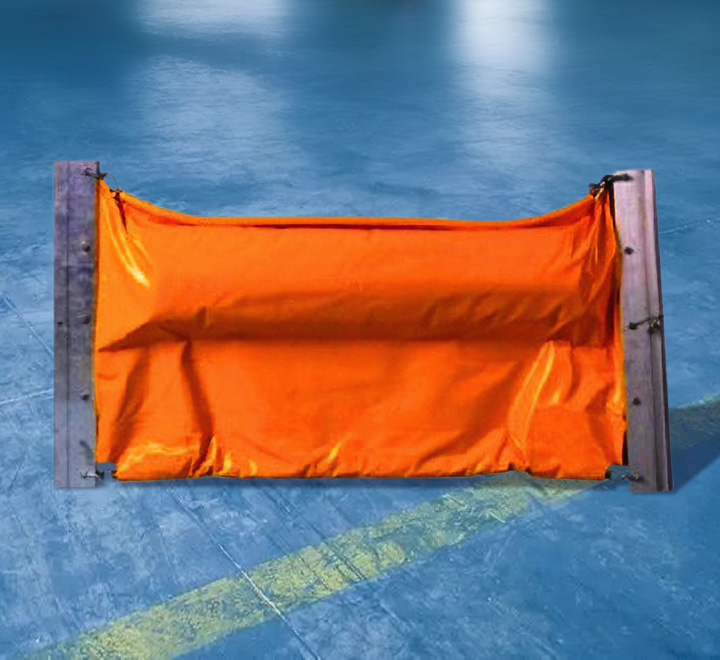
- Flat Booms: Flat booms are lightweight and compact solutions suitable for calm waters, rapid deployment, and situations where easy handling and storage are required.
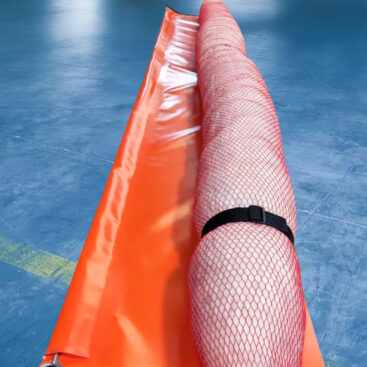
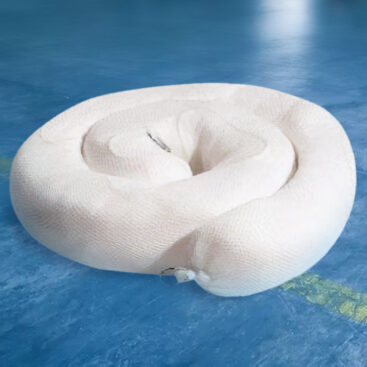
- Absorbent Booms: Absorbent booms combine containment and absorption functions. They are used to absorb oil and petroleum products while helping to prevent further spread of contamination.
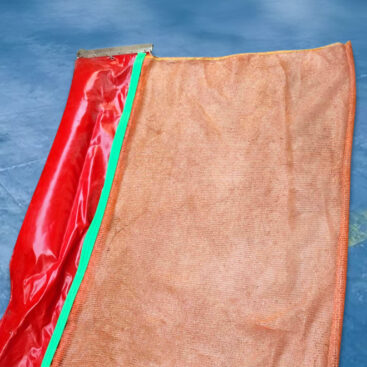
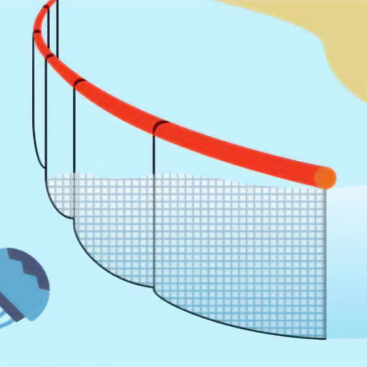
- Debris and Special-Purpose Booms: Special-purpose booms can be used to intercept floating debris, jellyfish, algae, construction pollution, or other floating materials depending on the project requirements.