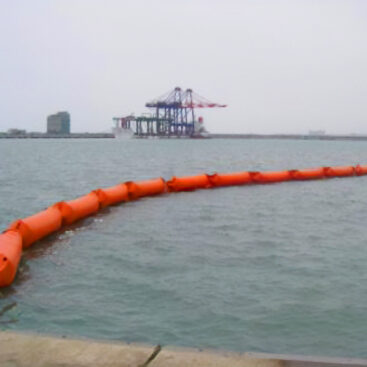


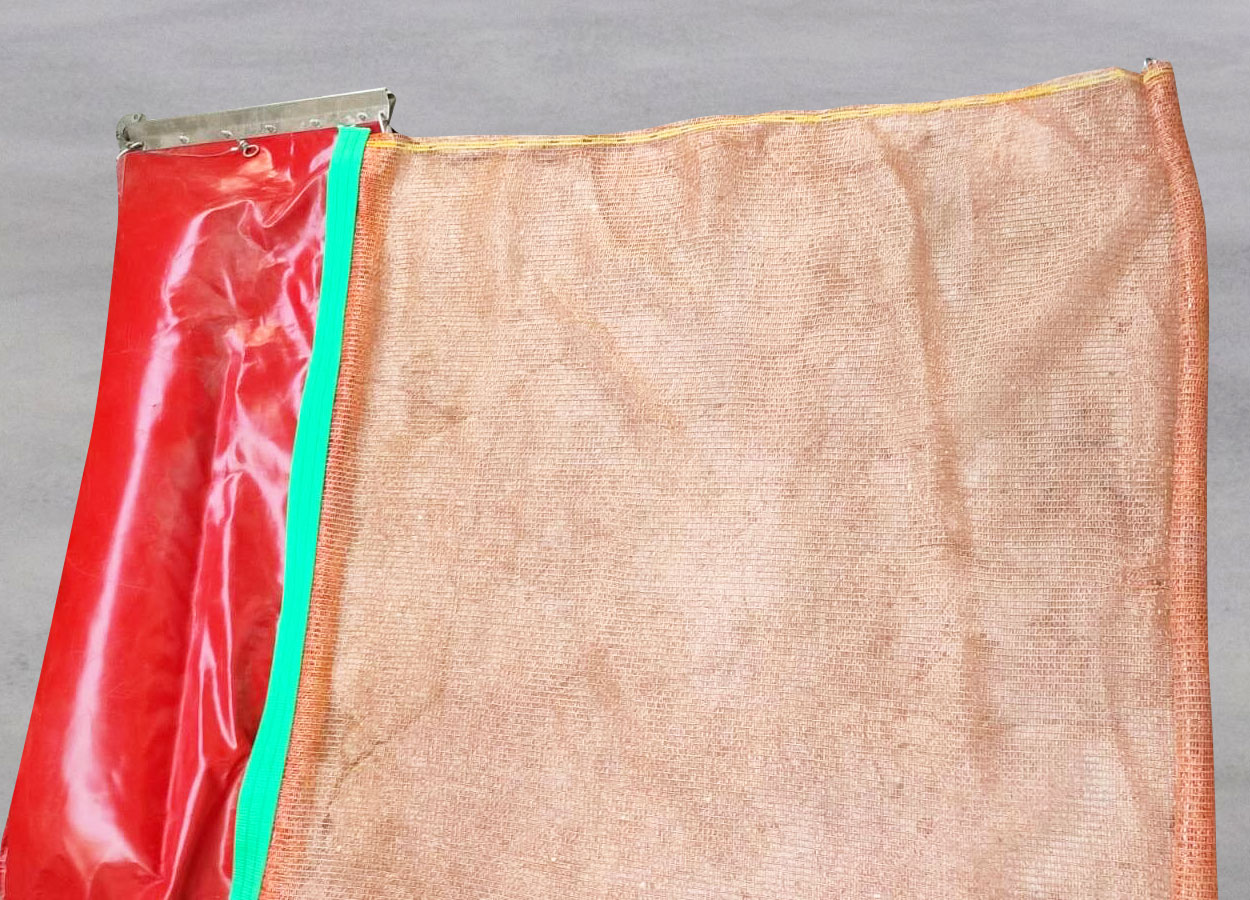
ECONAD Silt Curtain Barriers are floating environmental protection systems designed to control suspended sediments and reduce water turbidity during marine, coastal and inland water construction works.
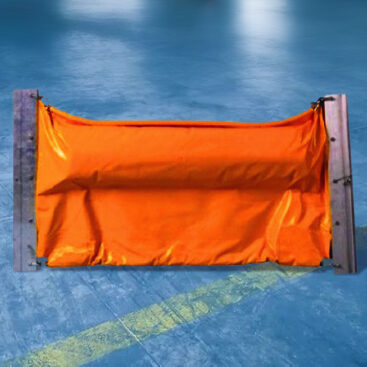
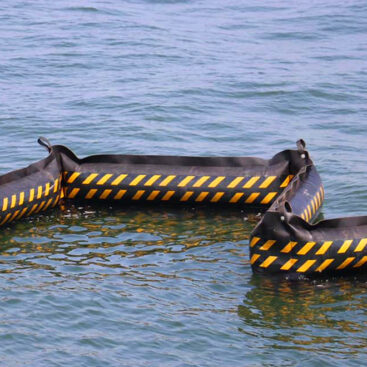
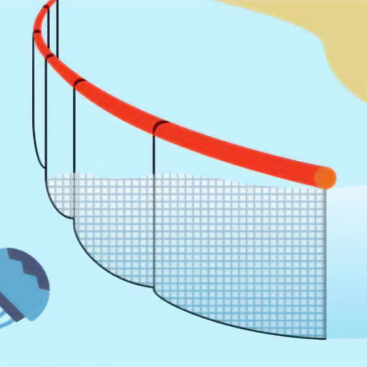
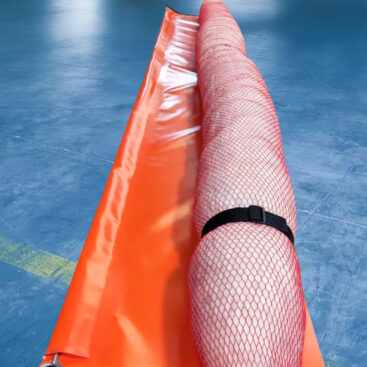
The system consists of a floating boom with a vertical permeable curtain extending below the water surface. Depending on site conditions and project requirements, the curtain can extend partially through the water column or reach close to the seabed.
Sediment and Turbidity Control
Construction, dredging and earth-moving operations near water can release suspended soil and sediment into the surrounding water area.
Silt curtains create a controlled working zone around the construction site, helping limit the movement of suspended particles and allowing sediments to settle within the protected area.
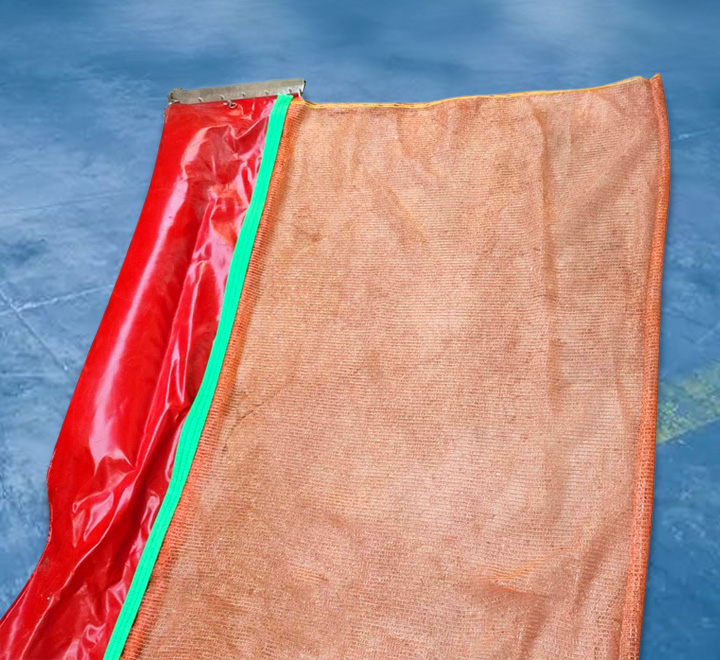
The permeable curtain material allows water to pass through while retaining a significant proportion of suspended sediment.
ECONAD Silt Curtain Barriers can be used during:
- Dredging operations
- Port and harbour construction
- Marine piling works
- Bridge construction
- Shoreline and coastal development
- Land reclamation projects
- Dam and hydraulic engineering works
- Construction of quay walls and terminals
- Excavation works near water
- Environmental remediation projects
- River and lake construction works
The system can be installed around an individual construction area or configured as an extended barrier depending on the size and layout of the project.
The silt curtain system consists of several main components:
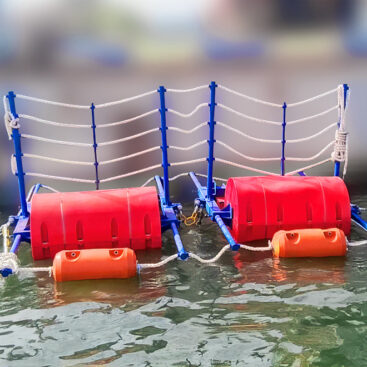
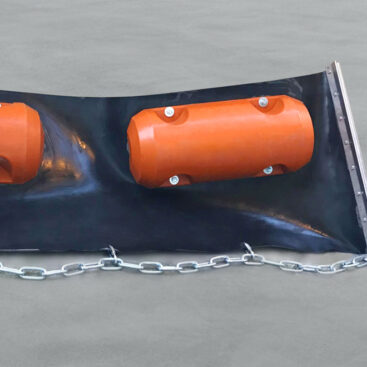
- Floating Boom: The upper part of the system is supported by floating boom sections that maintain the curtain at the water surface and define the protected working area.
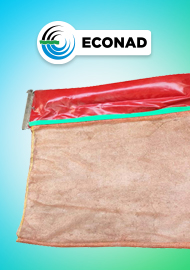
- Vertical Silt Curtain: A durable polypropylene-based curtain extends vertically below the boom. The material is selected to allow controlled water movement while reducing the migration of suspended sediment outside the protected area.
- Ballast Chain: A heavy chain installed along the lower edge of the curtain provides ballast and helps maintain the required vertical position of the fabric in the water.
- Anchoring System: Anchors and mooring lines maintain the curtain in the required position and help the system withstand environmental loads caused by currents, waves and wind.
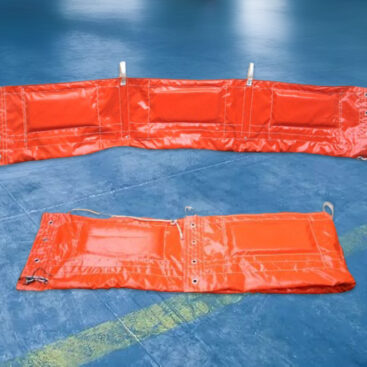
Standard curtain sections can be manufactured in 20-metre lengths and connected together to form a continuous barrier around the working area.
Special connecting elements provide secure joining between individual sections while allowing the overall barrier length to be adapted to the dimensions of the project.
The modular design also simplifies transportation, installation, repositioning and replacement of individual sections.
The anchoring arrangement is selected according to:
- Water depth
- Current velocity
- Wave conditions
- Wind loads
- Bottom conditions
- Curtain depth
- Barrier length
- Duration of installation
For the standard configuration described by ECONAD, curtain sections can be secured to the seabed using anchors and anchor lines positioned at approximately 19.5-metre intervals.
Depending on the size of the system and site conditions, installation can be performed using workboats, divers and lifting equipment.
The depth of the silt curtain can be selected according to the construction site and environmental requirements.
The curtain may extend:
- Partially through the water column
- To a specified operational depth
- Close to the seabed
- Across different depths along the same barrier line
This allows the system to be adapted to changing seabed profiles and varying water depths across the construction area.
Temporary marine construction projects often require the protected working area to change as construction progresses.
The modular silt curtain system can be repositioned when required. Anchors, mooring lines and curtain sections can be relocated to create a new protected zone without replacing the entire system.
Every marine construction project has different environmental and operational conditions.
ECONAD can configure the silt curtain system according to:
- Total barrier length
- Required curtain depth
- Water depth
- Current velocity
- Wave conditions
- Tidal variation
- Seabed profile
- Type of construction activity
- Required sediment-control level
- Installation period
- Available anchoring points and installation equipment
Based on this information, the appropriate curtain dimensions, flotation system, ballast, connection arrangement and anchoring system can be selected for the project.
- Effective Sediment Control: Helps reduce the movement of suspended sediments outside the construction area.
- Improved Water Quality Protection: Limits the spread of turbidity generated during marine and hydraulic construction operations.
- Modular Construction: Individual sections can be connected to create barriers of different lengths and configurations.
- Adjustable Depth: Curtain dimensions can be adapted to different water depths and seabed profiles.
- Repositionable Design: The system can be relocated as construction works progress.
- Custom Configuration: Curtain material, depth, flotation and anchoring systems can be adapted to specific project conditions.
- Suitable for Temporary and Long-Term Projects: The system can be configured for short construction periods as well as extended marine infrastructure projects.
Silt Curtain Solutions for Marine Construction Projects
ECONAD provides silt curtain barriers for ports, dredging contractors, marine construction companies, environmental contractors and hydraulic engineering projects.
Contact us for:
- Preliminary project assessment
- Selection of curtain depth and configuration
- Anchoring and mooring recommendations
- Custom barrier dimensions
- Installation planning
- Technical consultation
- Commercial quotation
Send us your site drawing, required protection length, water depth, current conditions and construction details to receive a suitable silt curtain configuration.