

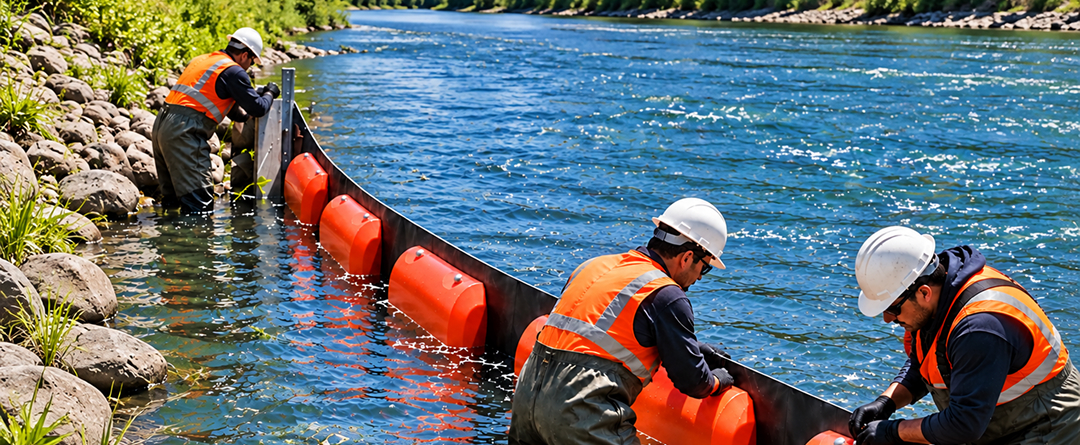
Debris Boom Install: Your Professional Guide
Floating trash, from seasonal wood to city plastic pollution, is a huge risk. It can easily stop industrial intakes and municipal waterways from working safely. For facility managers, planning a professional debris boom install is the first line of defense. It protects multi-million dollar infrastructure from heavy damage.
This process takes more than just tossing a floating barrier in the water. It needs a careful look at hydrology and structural engineering. This guide gives a detailed breakdown of the site checks, engineering needs, and setup steps. You will learn exactly how to build a world-class debris containment system.
Analyzing waterway dynamics is the first major step in strategic planning. You must carefully evaluate the unique water conditions at your site. These details decide the required strength and floatation of your entire system:
- Flow velocity: You must measure the water speed in feet per second.
- Water levels: Track seasonal water level changes to prepare for deep floods.
- Wind fetch: Measure the distance wind travels over open water to create rough waves.
Next, you must identify the exact trash types in your water. This includes microplastics, heavy wood, ice, or thick aquatic vegetation. Knowing this helps you pick the right barrier material. It also helps you set the correct underwater skirt depth for your debris boom install.
Coordination involves strict rules and permits. You must work with local environmental agencies and the U.S. Coast Guard. This planning keeps boats safe and lets fish pass through the area without harm.
Technical compliance with state rules matters greatly. Getting this wrong can stop your project. For example, a complete engineering analysis must account for boom geometry, current direction, and navigation clearances before any hardware is deployed.
Principles of effective debris boom design and handling hydraulic loading
Picking the right shape is vital for success. You must choose between permanent, year-round installations or seasonal emergency setups. The layout you pick depends on the waterway’s width and water flow:
- J-shape layout: Best for capturing trash in a specific corner of a fast waterway.
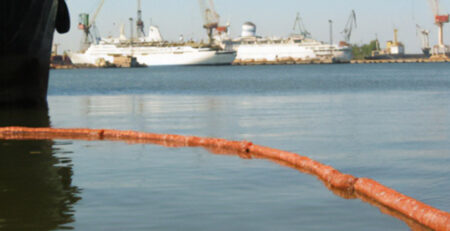
- Straight-line layout: Better for narrow channels or slow moving water.
You must also deeply understand hydraulic loading. Heavy water pressure and thick trash pile-ups pull hard on the boom. You need to calculate a strict safety factor for all cables and connectors. This math prevents a total system break during peak flow events.
Good debris boom design focuses on moving trash, not just blocking it. Angling the barrier at 45 degrees is a smart engineering choice. It naturally guides trash to a specific collection spot on the shore. A flat 90-degree wall acts like a strict blockade. This flat wall requires you to clear the trash by hand much more often.
Analyzing the anatomy of a boom structure and material specifications
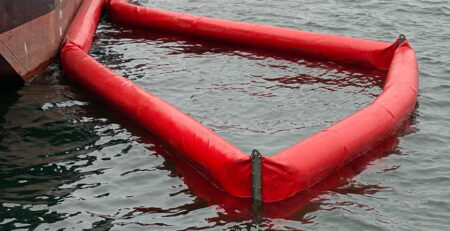
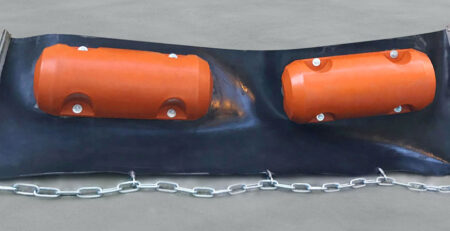
Every single part of a boom structure has a highly specific job. The freeboard is the top height of the boom above the water line. It must be tall enough to stop trash from over-topping the barrier during high winds or choppy water conditions.
The underwater part is called the skirt. It prevents trash from sliding under the barrier. This skirt heavily relies on strong ballast systems. You must weight the skirt down properly so it stays completely vertical:
- Galvanized chains: Thick chains provide even weight across the entire bottom.
- Ballast weights: Lead blocks keep the skirt pointing straight down in fast currents.
Tough material specifications are required to prevent fast wear and tear. You should only use tested, ASTM-certified parts. This includes marine-grade aluminum connectors and high-tensile strength polyester fabrics. Heavy-duty shackles are also needed to fight rust in both fresh and saltwater environments.
Executing the debris boom install with strong anchoring systems
A proper debris boom install relies on incredibly strong anchoring systems. You can use several types of anchors. The right choice depends on your soil bearing capacity and the total expected pulling tension:
- Shore-based deadman anchors: Buried concrete blocks that hold heavy shore lines safely.
- Pile-driven moorings: Deep steel poles pounded directly into the riverbed.
- Underwater helical piers: Heavy screws driven deeply into the mud for underwater support.
Mobilization is the next big logistical phase. This involves moving large, heavy parts safely to the water. Workboats slowly tow the boom sections into place. Cranes safely lift heavy hardware onto the shore. Specialized dive teams then step in to secure the underwater anchor points.
Finally, you must adjust the final tension. The boom needs a natural curve, known as a catenary. Proper tensioning ensures the system floats well and lines up perfectly. It stops too much stress from breaking any single anchor point.
Maintaining your boom structure and managing lifecycle costs
To keep your boom structure working well, you need routine inspection protocols. Establish a strict schedule to look for UV sun damage. Check for mechanical wear and tear on all connectors. You must also remove trapped trash quickly. Stuck trash creates extra hydraulic drag that can push the system past its safe design limits.
Vendor qualification is also highly important. Pick an installation partner with a long history of success. Evaluate their past work with similar flow rates. They must give you stamped engineering drawings. They also need a deep understanding of your exact geotechnical site conditions.
Look past the first price quote to find the true lifecycle costs. A complete total cost of ownership review includes:
- Spare parts availability: How fast can you get new shackles or floats?
- Ease of removal: How simple is it to clear trash from the final collection point?
- Lifespan limits: What is the total projected lifespan of the main boom structure components?
Conclusion: wrapping up your debris boom install
A successful debris boom install is a major multi-disciplinary effort. It demands a site-specific debris boom design and a high-quality boom structure to work correctly.
Never cut corners during the planning, engineering, or setup steps. Cheap planning directly leads to higher failure rates. It also brings major liability risks and severe repair costs to your organization.
Ready to secure your facility? Contact our technical team today to begin your custom debris management assessment.