

Debris Boom Supply: Your Guide to Effective Water Management
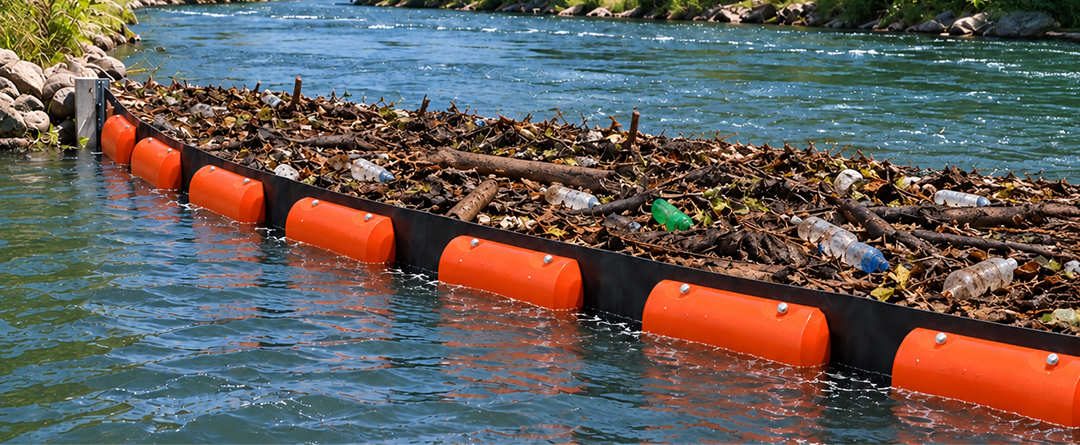
Floating waste, plastics, and organic trash pose big threats. They harm municipal water intakes, industrial cooling systems, and local habitats. These areas need fast and effective containment barriers.
Securing a steady debris boom supply is the most important step for project managers. Procurement officers and environmental teams must protect vital water assets from daily pollution. Material availability changes often in today’s market. You must know how to source high-quality containment systems to stay compliant and operational.
This guide gives you a professional framework. It helps you evaluate the debris boom supply market with confidence. You will learn how to:
- Handle strict technical details and specifications.
- Check vendor reliability and history.
- Solve shipping and storage problems easily.
Current market trends show a huge need for containment tools. The EPA and local agencies push hard against floating pollution. This creates a global surge for better, stronger barriers.
Procurement teams must plan for storm-derived runoff impacts. This runoff dictates the exact type of barrier you need. You must measure the volume and speed of water entering your system to choose correctly.
The market is shifting toward green materials like recycled HDPE. These shifts create new chances in the debris boom supply and demand cycle. Buyers should watch these trends closely for cost savings and compliance benefits.
You must also spot peak buying windows to secure your gear.
- Watch for seasonal spikes: Demand peaks just before spring thaws and hurricane seasons. Secure your debris boom supply at least 90 to 120 days before high-flow periods.
- Use off-peak buying: Bulk buying during slow months, like the fourth quarter, works well. It saves money and ensures tools arrive before local stocks run out.
Evaluating the right debris boom supply company
You must carefully check the builders of your barriers. Assess the manufacturing capacity and quality rules of any potential debris boom supply company. Look for key certifications, like the ASTM-F2639 standard for barrier performance.
Evaluate the vendor’s past work in different water types. A supplier that only makes calm pond barriers might lack the skills for fast rivers or tidal zones. Verify that they use standard parts. Connectors, floats, and ballast weights must be easy to find. This ensures you can repair your barrier for years to come.
High-performance sourcing requires deep engineering support. Look for these traits in a reliable supplier:
- Site-specific designs: They should calculate the exact draft and freeboard ratios based on your expected trash load and water speed.
- Modular choices: Ask the debris boom supply company about modular systems. A modular system lets you change the barrier as project needs grow. This increases the value of your first purchase.
Navigating the debris boom supply chain and logistics
A strong debris boom supply chain needs steady raw materials. Factories must have reliable access to UV-stabilized PVC, marine-grade aluminum, and galvanized steel. Ask vendors where they get these raw materials. Knowing this helps you avoid project delays.
Map out the delivery path from the factory to the water. Find possible slowdowns, such as special freight rules for extra-large barrier parts.
Keep your project moving with a continuous debris boom supply line.
- Plan scheduled deliveries: Multi-phase city projects need planned drop-offs. This stops on-site storage problems and makes sure gear is ready for each building phase.
- Keep safety stock: Use safety stock rules for important wear items. Keep extra anchor shackles, toggle pins, and replacement sections on hand. This lowers the risk of surprise damage during bad storms.
Technical considerations for your debris boom supply
Material choice dictates how long your barrier lasts. Choose barriers with high UV resistance. They must have strong internal chains or cables. These parts handle long-term sun exposure and the heavy weight of collected trash.
Check the buoyancy-to-weight ratio. The barrier must stay visible and work well, even when weighed down by heavy organic matter or sunken trash.
Plan for future fixes and part swaps to protect your investment:
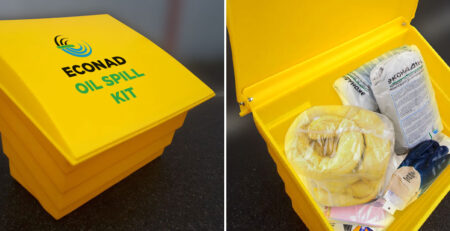
- Buy a maintenance kit: Include a repair kit in your first buying contract. This kit should have patch tools, extra floats, and connecting hardware.
- Set an inspection schedule: Check the barrier after storms or at least once a month. This helps you spot a weak barrier section before it breaks. You can plan staggered replacements instead of dealing with a total system failure.
Conclusion: securing your debris boom supply
Managing a successful debris boom supply takes a smart strategy. You must balance urgent project needs with long-term supply chain durability.
Check your vendors closely and understand the technical details of the gear. Small and medium-sized businesses and municipalities can easily protect their water systems from nature and operational risks.
Do you need expert help with your next water containment project? Contact our technical procurement team today. We will review your exact needs and give you a custom quote made just for your local environment.